
Smoke Detection Systems in London by Infinity Fire and Security Ltd
Discuss your safety requirements with us.
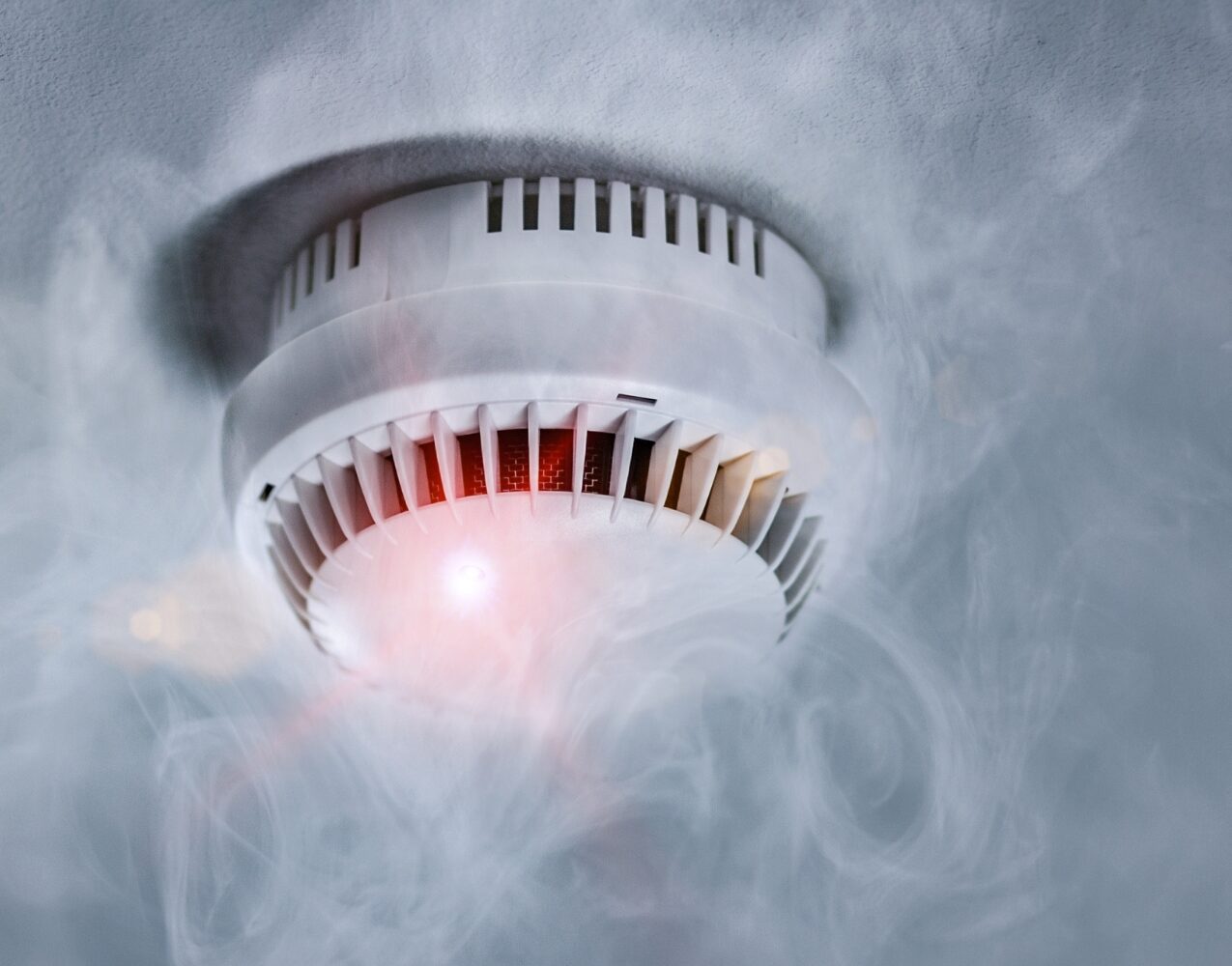
Seamless Integration & Statutory Compliance
Connect with us for further details.
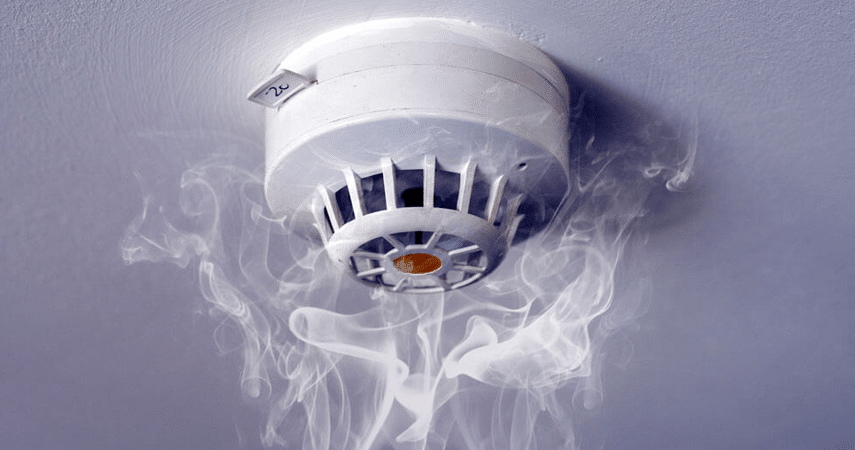
Why Choose Us for Your Smoke Detection Infrastructure?
- Full BAFE SP203-1 Accreditation: Our competency is independently certified across all modules, including system design, professional installation, commissioning, and continuous statutory servicing.
- Intelligent False Alarm Mitigation: We utilise multi-sensor detectors that analyze both heat profiles and optical smoke characteristics simultaneously, drastically reducing disruptive false alarms caused by steam, dust, or environmental drift.
- Open-Protocol Autonomy: We exclusively install open-protocol hardware from industry leaders, ensuring you retain total freedom over your future component sourcing and maintenance providers.
Guaranteed Emergency Response: Our contract clients are backed by our local London engineering teams and a robust 24/7/365 helpline, ensuring rapid on-site fault resolution whenever you need it.
Get in touch with us to get your queries related to smoke detection systems solved.
Frequently Asked Questions
What is an aspirating smoke detection (ASD) system?
Systems like VESDA continuously pull air through a network of pipes into a central laser chamber. They catch microscopic particles at the pre-combustion stage, long before visible smoke appears.
Where should beam smoke detectors be installed?
They are designed for large, open spaces with high ceilings—like hotel atriums, warehouses, and shopping centres—where standard point detectors would be difficult to wire and maintain.
How do modern smoke detectors prevent false alarms from dust or steam?
We use multi-sensor detectors that analyze heat profiles and smoke density simultaneously. Built-in drift compensation filters out airborne dust and steam before triggering an alert.
Can smoke detectors automatically clear smoke from exit routes?
Yes. When linked to your central panel, smoke detection systems can automatically trigger Automatic Opening Vents (AOVs) to exhaust toxic gases from stairwells and corridors.
How often do commercial smoke detectors need to be tested?
A: Your on-site team should test one manual call point or sensor weekly. Professionally, a BAFE-certified engineer must service and verify the system at least every six months.
What is the lifespan of a commercial smoke detector?
Most manufacturers and British Standards recommend replacing smoke detector heads every 10 years, as internal sensors degrade and become prone to failure or false alarms over time.
Do smoke detectors interface with building ventilation (HVAC) systems?
Yes. Upon detection, our systems can immediately shut down HVAC air handling units to prevent toxic smoke and fumes from being pumped into other areas of the building.
Can you install wireless smoke detection networks in heritage buildings?
Absolutely. Wireless smoke detection is perfect for protected London heritage buildings, providing robust BS 5839-1 compliance without damaging historical walls or ceilings with extensive cabling.
What happens if a smoke detector head gets contaminated with dust during building works?
Heavy dust can trigger false alarms or blind the sensor. We provide protective dust caps for building works, and our routine servicing includes ultrasonic cleaning and recalibration of dirty sensors.
