
State-of-the-Art Smoke Control Systems in London
Smoke control systems play a critical role in protecting occupants during a fire emergency. Our professionally designed and installed smoke control solutions help manage smoke movement, improve visibility, and support safe evacuation while assisting emergency responders.
At Infinity Fire & Security Limited, we provide tailored smoke control systems in London, designed for commercial buildings, residential complexes, industrial facilities, and public spaces, ensuring compliance with the UK safety standards.
Get in touch with us if you need the high quality systems on your property.
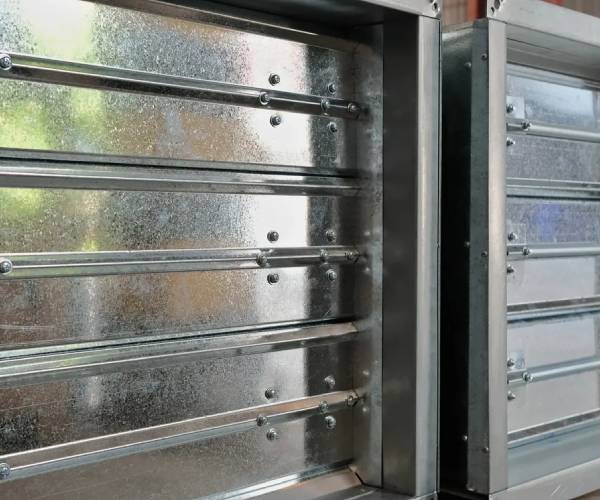
What Are Smoke Control Systems?
- Maintain clear evacuation paths
- Improve visibility for occupants
- Reduce smoke inhalation risks
- Assist firefighting operations
- Minimise property damage
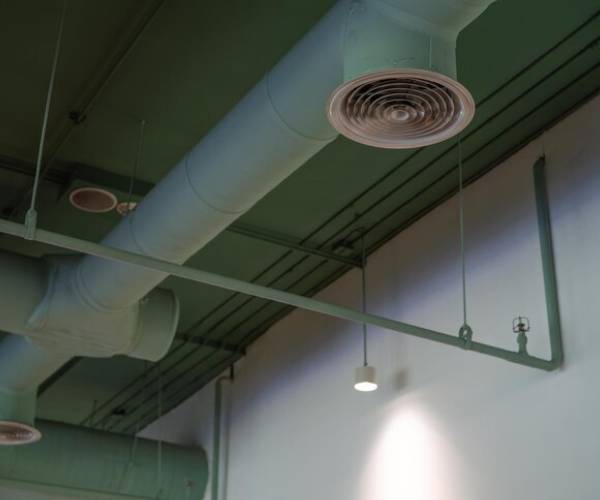
What’s Included in Our Smoke Control Solutions in London?
- Smoke exhaust system installation
- Mechanical smoke ventilation systems
- Stairwell pressurisation systems
- Car park smoke ventilation
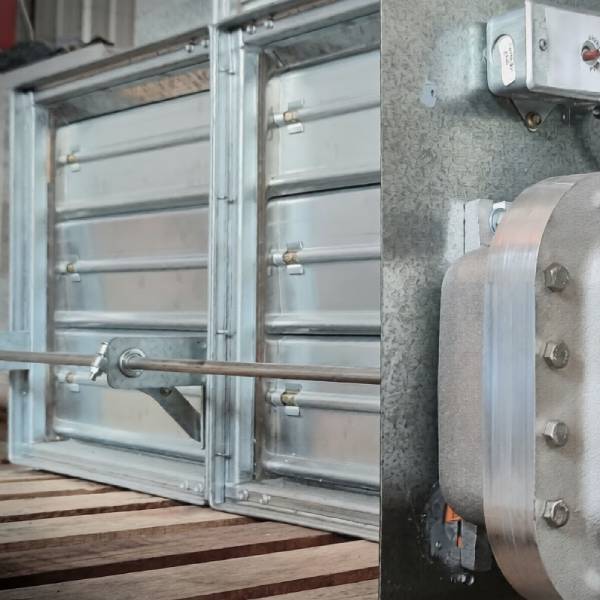
- Smoke dampers and actuator installation
- Control panel integration
- System upgrades and retrofits
- Testing and commissioning
- Preventative maintenance and servicing
- Compliance inspections
Why Are Smoke Control Systems Important?
- Improves occupant safety
- Supports emergency evacuation
- Helps meet building code requirements
- Reduces smoke damage
- Enhances fire safety strategy
- Protects business continuity
We’re Fully Compliant and Insured
Industries We Serve
- Commercial buildings
- Residential apartments
- Shopping centres
- Warehouses and industrial facilities
- Hospitals and healthcare facilities
- Schools and universities
- Hotels and hospitality venues
Why Choose Infinity Fire & Security Limited?
- Experienced fire and security specialists
- Fully compliant system design
- Tailored solutions for your building
- Professional installation and testing
- Ongoing maintenance and support
- Fast response times
- Competitive pricing
- Scheduled inspections
- Fan and motor testing
- Damper testing
- Control system checks
- Compliance reporting
- Emergency repairs
Need more information about our smoke control systems?
FAQs
What factors determine the most suitable smoke control system for a building in London?
The building’s height, occupancy levels, layout, intended use, fire strategy, and applicable UK regulations all influence system design. Residential towers, shopping centres, and warehouses often require different smoke control approaches.
Can smoke control systems be retrofitted into older buildings without major structural changes?
Yes. Many existing buildings can receive upgraded or retrofitted smoke ventilation systems. The feasibility depends on available space, existing infrastructure, compliance requirements, and the building’s fire risk assessment.
How often should smoke control systems be tested and maintained to remain compliant?
Testing frequency varies depending on system type and building usage, but routine inspections, component testing, and maintenance are essential to ensure ongoing compliance and operational reliability during emergencies.
What role do stairwell pressurisation systems play during a fire incident?
Stairwell pressurisation systems create higher air pressure in escape routes, preventing smoke infiltration and helping occupants evacuate safely while supporting emergency response teams.
Are smoke control systems legally required for all commercial and residential buildings in the UK?
Requirements depend on building classification, height, occupancy, and fire safety regulations. Certain high-rise and high-occupancy buildings must implement smoke control measures to comply with UK standards.
How can poorly maintained smoke dampers or actuators affect overall fire safety performance?
Faulty dampers or actuators may fail to control smoke movement effectively, potentially compromising evacuation routes, increasing smoke spread, and reducing system efficiency during emergencies.
What signs indicate a smoke control system may need servicing or upgrading?
Frequent faults, delayed response times, outdated control panels, unusual fan performance, failed inspections, or changes to building occupancy can indicate the need for upgrades or servicing.
How do smoke control systems support business continuity after a fire event?
By reducing smoke damage and containing affected areas, these systems may minimise operational disruption, reduce repair costs, and support faster recovery following an incident.
Why is choosing a BAFE-accredited smoke control provider important for building owners?
Accreditation demonstrates adherence to recognised industry standards, quality assurance processes, and competence in fire safety solutions, helping building owners achieve greater confidence in compliance and system performance.
